




Why Do You Still Feel Hot Even When the Temperature Drops to 70°F

Have you ever experienced something like this?
- You feel hotter hiking on a hot, humid day than on a dry one.
- You feel stuffy and uncomfortable inside a sleeping berth with the windows closed, but much better when they are open.
- You feel hotter in a small tent than in a larger one.
In all of these situations, the temperature might actually be the same. Yet the way you feel can be completely different. Why does this happen?
There are three often-overlooked factors that play a major role in how hot or comfortable we feel: humidity, airflow, and space.
Let's take a closer look.
Humidity
Have you ever compared how 70℉ feels at 90% humidity versus at 40% humidity? Most people immediately notice the difference: 70℉ in high humidity feels much hotter.
This happens because of how the human body regulates heat. Your body cools itself primarily through sweating. When sweat evaporates from your skin, it carries heat away from your body, helping lower your temperature.
In dry air, this process works very efficiently because sweat evaporates quickly. However, in humid conditions where the air is already saturated with moisture, evaporation slows down. The air simply cannot absorb much more water vapor.
As a result, sweat remains on your skin longer and removes heat less effectively, making you feel hotter and more uncomfortable.

Airflow
Airflow also plays an important role in thermal comfort. Research shows that even light air movement can help people feel cooler in warm conditions. When air moves around your body, it helps:
- remove the warm air layer around your skin
- carry away moisture and heat
- accelerate sweat evaporation
All of these effects help lower your skin temperature and improve comfort. But without airflow, the warm air and moisture around your body can become trapped, making you feel stuffy and overheated.
This is why placing a fan in front of you on a hot day immediately makes you feel cooler and more refreshed, even though the air temperature hasn't changed.
Space
Now let's look at another commonly overlooked factor: space.
Take camping as an example. Do you usually feel hotter in a small tent than in a larger one? That's because heat builds up more quickly in small enclosed spaces. When heat enters a small confined space, whether from sunlight, electronics, or the human body, there is less air volume to absorb and distribute it.
A simple analogy is pouring water into two containers at the same speed: a cup and a large bottle. The cup fills up much faster because its capacity is smaller.
Heat behaves in a similar way. With less space for heat to spread out, the temperature rises faster, and you start to feel hot and sweaty much sooner.

When These Three Factors Combine
High humidity, limited airflow, and a small enclosed space can easily create a hot and stuffy bubble around you. A small fan or an ice cooler might relieve the heat to some extent, but they usually can't address all three factors at the same time.
An air conditioner, however, can:
- remove humidity
- create airflow
- lower the air temperature
All at once.
That's why air conditioners are so effective at improving comfort in enclosed environments. However, when you're outdoors, like camping, overlanding, or exploring remote areas, traditional air conditioners are often too bulky and impractical to bring along.
This is exactly where portable air conditioners come in.
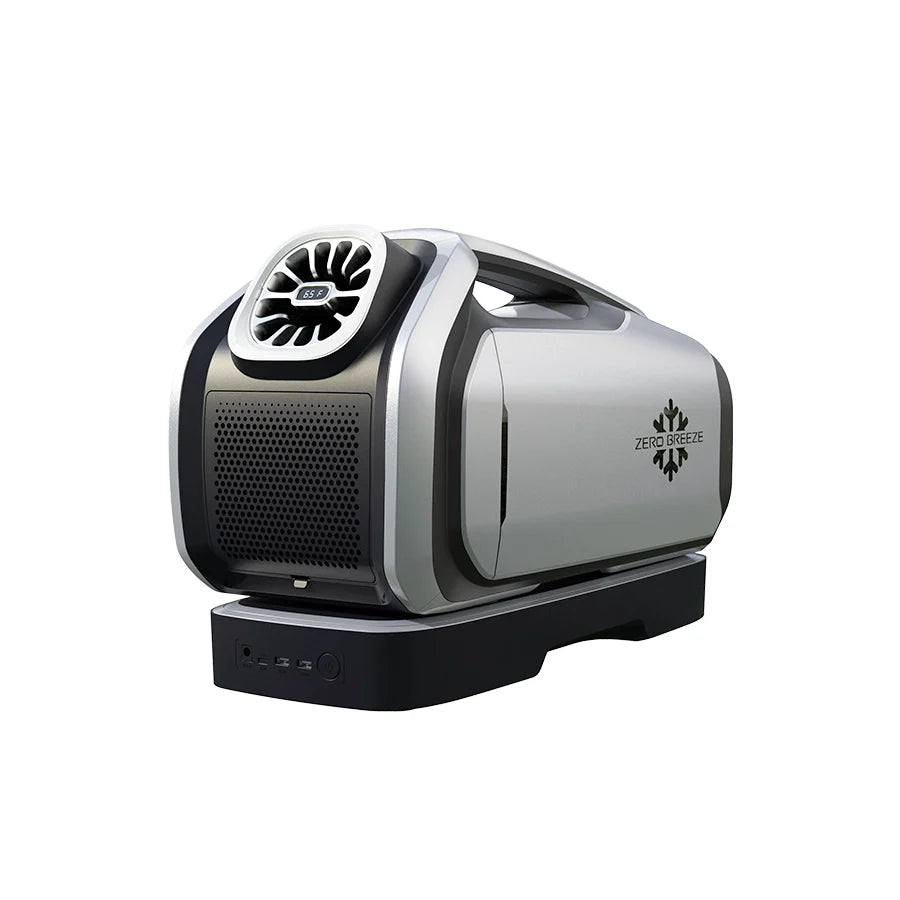
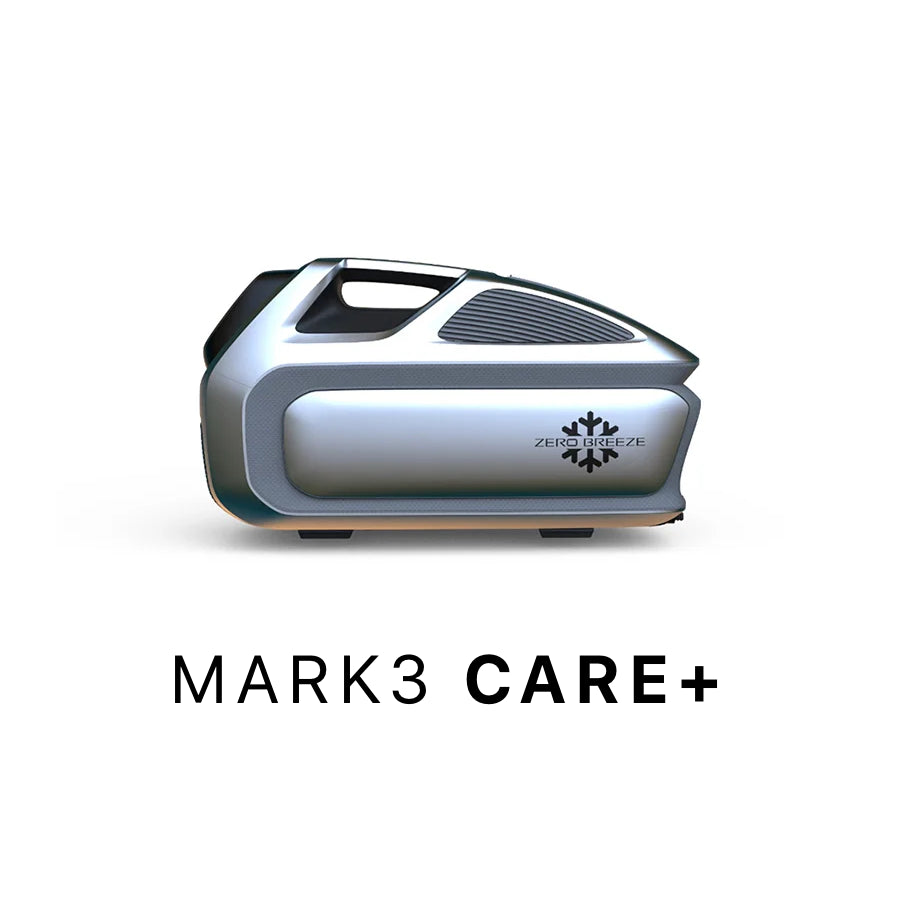
A portable AC, like those developed by ZERO BREEZE, allows you to bring real cooling power wherever you go, helping you stay comfortable even in small spaces like tents, van sleepers, or cabins.
That means no more sweaty nights, tossing and turning, or heat-ruined adventures. Just cool, comfortable rest wherever your journey takes you.



Leave a comment