




How Long Can the Mark 3 Portable AC Run with Three Batteries

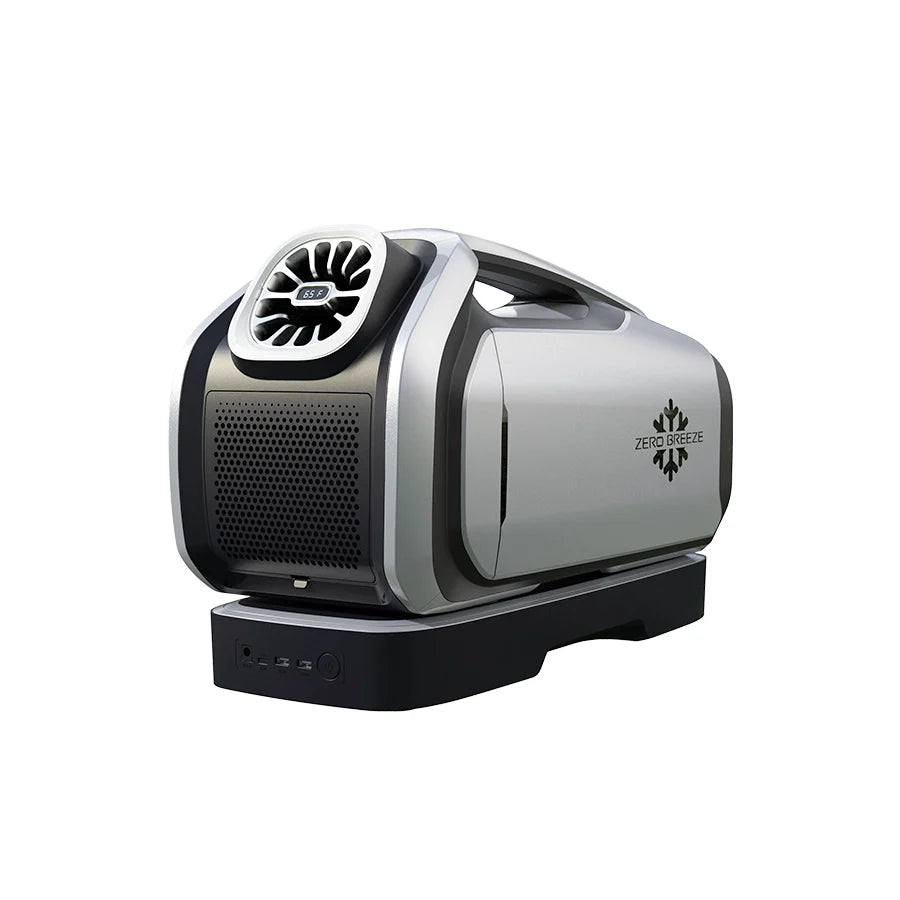
At ZERO BREEZE, the Mark 3 is designed to be the most portable air conditioner for real off-grid cooling, featuring the first-of-its-kind system where the unit is powered directly by its own dedicated batteries. That means you're no longer limited by fixed power sources. Instead, you can take cooling wherever you go, whether that's a rooftop tent, a truck cab, or deep into the outdoors.
Even better, the system is flexible. By combining multiple batteries, you can control how long your cooling lasts based on your needs.
To give a clear picture of what this means in practice, we tested the Mark 3 with three batteries under extreme heat.
The Sauna Test Setup
Last week, our team ran a real-world stress test at the factory. To simulate hot, humid conditions where rest is nearly impossible without active cooling, we set up a high-temperature, high-humidity open-air environment:
- Ambient temperature: 93°F (constant)
- Ambient humidity: 80% (constant)
- Configuration: Mark 3 + 3 batteries connected
- Mode: Sleep mode
- Fan speed: Maximum
- Target temperature: 61°F

In this scenario, the Mark 3 wasn't cooling an enclosed room; it was like being placed on a table in an open field. This means the unit was fighting against a constant 93°F and 80% humidity environment throughout the entire test. Without any insulation advantage, this test pushed the unit to its limits to find the minimum runtime under worst-case conditions.
Obviously, this wasn't light use. In fact, just standing in the test environment for a few minutes was enough to feel how intense the heat and humidity truly were.
The Result: 11 Hours of Continuous Cooling
As you can see in the test video, the Mark 3 performed exactly as engineered. The system automatically switched from one battery to the next as each unit was depleted. There was no manual intervention, just continuous, steady cooling.
By the time the third battery was fully exhausted, the Mark 3 had delivered a total of 11 hours and 5 minutes of continuous operation.
Why This Result Matters
- Continuous Full-Load Operation
Unlike a standard room AC that cycles on and off once a target temperature is reached, the Mark 3 in this test never had that chance. In a constant 93°F open-air environment, the Mark 3's thermostat kept pushing the system to maintain 61°F, meaning the compressor ran at full capacity for the entire 11+ hours.
- Spot Cooling, Not Space Cooling
This wasn't about lowering the temperature of a sealed room. Instead, it reflects real-world spot cooling, like sitting outdoors, with the unit delivering a steady stream of cold air directly to you. Even under these conditions, the Mark 3 with three batteries sustained cooling for over 11 hours.
- Battery Flexibility in Practice
This is what "battery flexibility" really means. By connecting more batteries, you're extending hours of uninterrupted cooling comfort in environments where heat doesn't let up, instead of just adding capacity. This 11-hour result represents the floor of performance. In more typical scenarios, such as a tent at 80°F or a lightly insulated space, runtime will naturally extend further.
For those facing extreme heat, 11 hours and 5 minutes means reliable, all-night cooling.
What 11 Hours Means in the Real World
In practical terms, 11 hours and 5 minutes covers what most users actually need: cooling the space before bed, staying comfortable through the night, and having a buffer before waking up.
In other words, even when temperatures are pushing 100°F, you can fall asleep and stay cool through the night without interruption.
Choose the Right Battery Setup for Your Needs
Our test video tracks how each battery performs under extreme conditions. Based on these results, here's a simple way to choose the setup that fits your needs:
| Battery Count | Runtime (at constant 93℉) | Best For |
| 1 Battery | 3h 43m | Quick naps, short breaks, or staying cool during outdoor work |
| 2 Batteries | 7h 24m | Evening use at the campsite or short rest periods in trucks |
| 3 Batteries | 11h 5m | Guaranteed full-night sleep in rooftop tents, vans, or extended outdoor work shifts |
Important: These runtimes reflect minimum performance under constant extreme conditions (93°F and 80% humidity), forcing continuous full-load operation.
In real-world use, runtime will vary depending on factors such as ambient temperature, humidity, and your Mark 3 settings (mode, fan speed, etc.).
Most outdoor environments are less demanding than this test. Therefore, if you're cooling a tent, van, or any semi-enclosed space, or simply operating in milder temperatures, you can expect longer runtimes than shown here.
So, what should you choose?
- For overnight use: A 3-battery setup is the most reliable choice, giving you enough runtime to stay comfortable through the night, even in extreme heat.
- For flexible, shorter sessions: 1–2 batteries are often enough for evening cooling, quick naps, or intermittent use.
All Night Comfort Starts Here
When the heat doesn't go away after sunset, what matters isn't just how powerful your AC is, but whether that cooling actually lasts.
With the right battery setup, the Mark 3 isn't just portable. It's reliable enough to carry you through the night, even in extreme conditions.
What's Your Setup
Now it's your turn! How many batteries would you choose for your setup (one, two, three, or even more)? Drop a comment below and share your setup or thoughts.
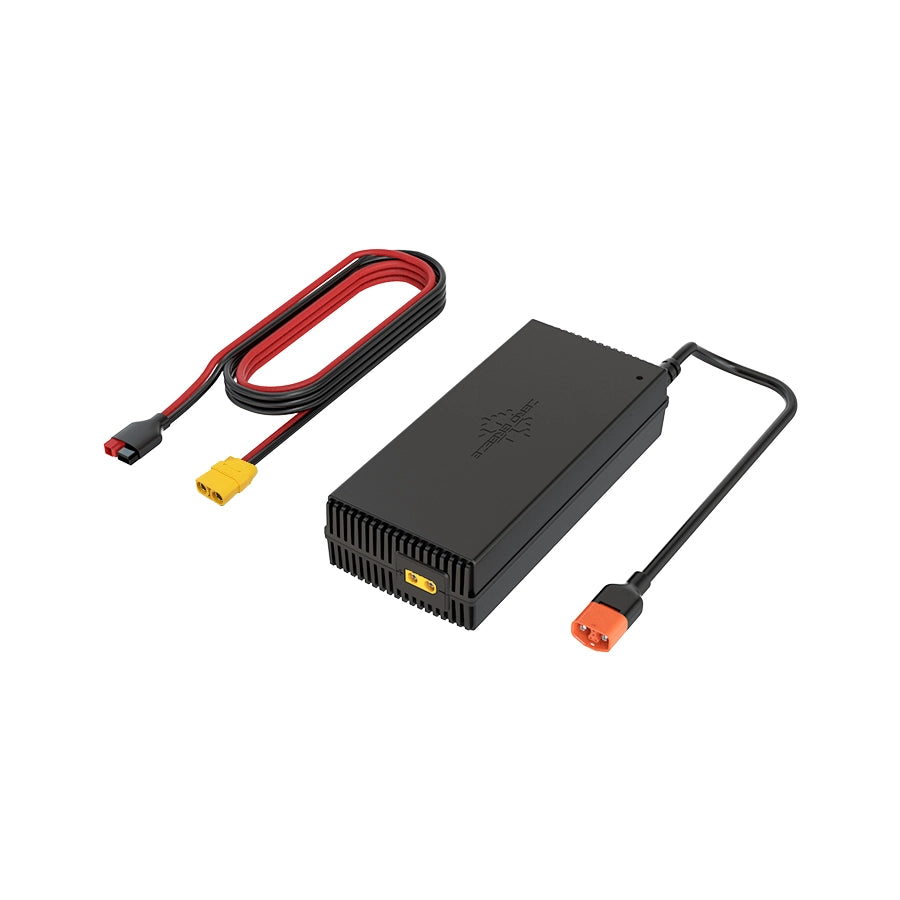
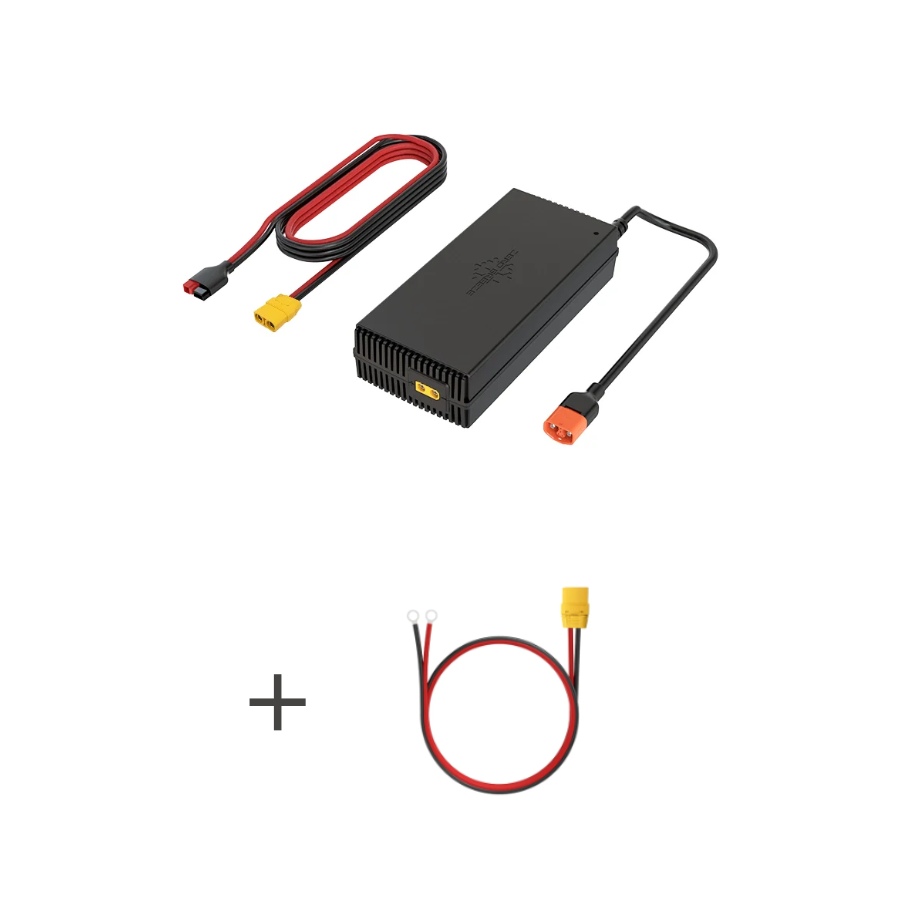
Or… want to explore other ways to power the Mark 3 AC? Check out our guide: 8 Power Supply Solutions for ZERO BREEZE Mark 3
Find Your Ideal Cooling Setup
If staying cool through the night matters to you, choosing the right battery setup makes all the difference.
Explore the Mark 3 and find the configuration that fits your needs.



Hi Steve, the short answer is yes. In a semi-enclosed space like an RTT, the Mark 3 doesn’t have to work nearly as hard as it did in our open-air test. Once the tent cools down, the unit runs much more efficiently. With three batteries, you won’t just get more capacity. You’ll get a significantly longer runtime because the system will cycle more naturally.
Hi Shannon, thank you so much for such a detailed and honest field report! It’s fantastic to hear that the Mark 3 performed so well in the high humidity of PNG, reaching 22°C in just 10 minutes inside a James Baroud RTT is a great result! We’re glad it provided the quiet, comfortable sleep you needed on the beach. Regarding the 12V charging, the cigarette socket is limited to 10A for safety to prevent vehicle wiring from overheating.
Thanks again for sharing these insights. Happy camping!
Really appreciate this real-world test. 11 hours at 93°F in an open environment is already better than most people would expect. I normally run 2 batteries overnight and it’s fine, but it gets borderline on hot, humid beaches. Just wondering — if I use the Mark 3 in a tent or RTT (semi-enclosed), would three batteries last noticeably longer? Thanks.
I finally got to use mine last weekend. I setup outside of my James Baroud RTT. I was surprised by how well it cooled. No problem getting to the set temp of 22 degrees C in about 10 minutes. Easily maintains this in sleep mode. I have 2 batteries and use about 1 and a half over an 8 hour sleep. This is in PNG with very high humidity and an ambient temp only as low as about 25 degrees C at night. Also very quiet. Camped on the beach and could not hear the AC over natural background noise at all.
Recharging via the 12v cigarette socket is very slow due to only changing at 10 amps max. Takes all day to recharge 1 and a half batteries. Camped for 3 nights and charged off a generator before the last night. Charges quick off 240v at around 2 hours per battery.
Very happy overall.
Leave a comment