




How One Truck Driver Stopped Idling and Started Sleeping Cooler with the ZERO BREEZE Mark 3

For many truck drivers, the sleeper cab is more than just a place to sleep. It is where they rest, recharge, and spend time between long hours on the road.
During the summer months, keeping a comfortable temperature inside a parked truck can become a real challenge. Unlike a home or building, a semi truck sleeper cab is a compact space surrounded by materials that absorb heat quickly. Direct sunlight through the windshield, limited airflow, and heat retained by the vehicle interior can make the cab uncomfortable, especially during overnight stops.
As drivers spend more time parked and resting, finding practical cooling solutions has become an important part of creating a better sleeper cab environment.
Why Cooling a Parked Semi Truck Is Challenging
Most semi trucks rely on the vehicle’s main air conditioning system while the engine is running. However, once the truck is parked and the engine is turned off, maintaining a comfortable temperature requires another approach.
Many drivers choose to idle the engine during rest periods to keep the cab cool. While this can provide a familiar solution, extended idling also comes with trade-offs, including additional fuel consumption, increased engine hours, and extra noise during downtime.
This has led more drivers to explore alternative cooling options that can provide comfort while the truck is parked.
Traditional solutions such as fans or ventilation can improve airflow, but they do not actively remove heat from inside the cab. A fan may circulate warm air, but it cannot lower the temperature in the way an air conditioning system can.
For drivers who spend nights in different locations and cannot always rely on external power sources, portability and flexibility are also important considerations.

Exploring Portable Cooling Solutions for Sleeper Cabs
A portable air conditioner offers a different approach by actively removing heat from the space instead of simply moving air around.
However, using a portable AC in a semi truck requires more than just placing the unit inside the cab. A practical setup needs to consider available power, proper heat exhaust, limited sleeper cab space, and installation convenience.
One of the most important parts of any portable AC setup is ventilation. While the unit provides cool air inside the cab, the heat generated during the cooling process needs to be directed outside. Without proper exhaust management, cooling performance can be affected.
For vehicle applications, a dedicated window venting solution can help create a cleaner and more secure installation by allowing AC hoses to connect through the window while helping maintain separation between indoor and outdoor air.
A Real-World Look at ZERO BREEZE Mark 3 in a Sleeper Cab
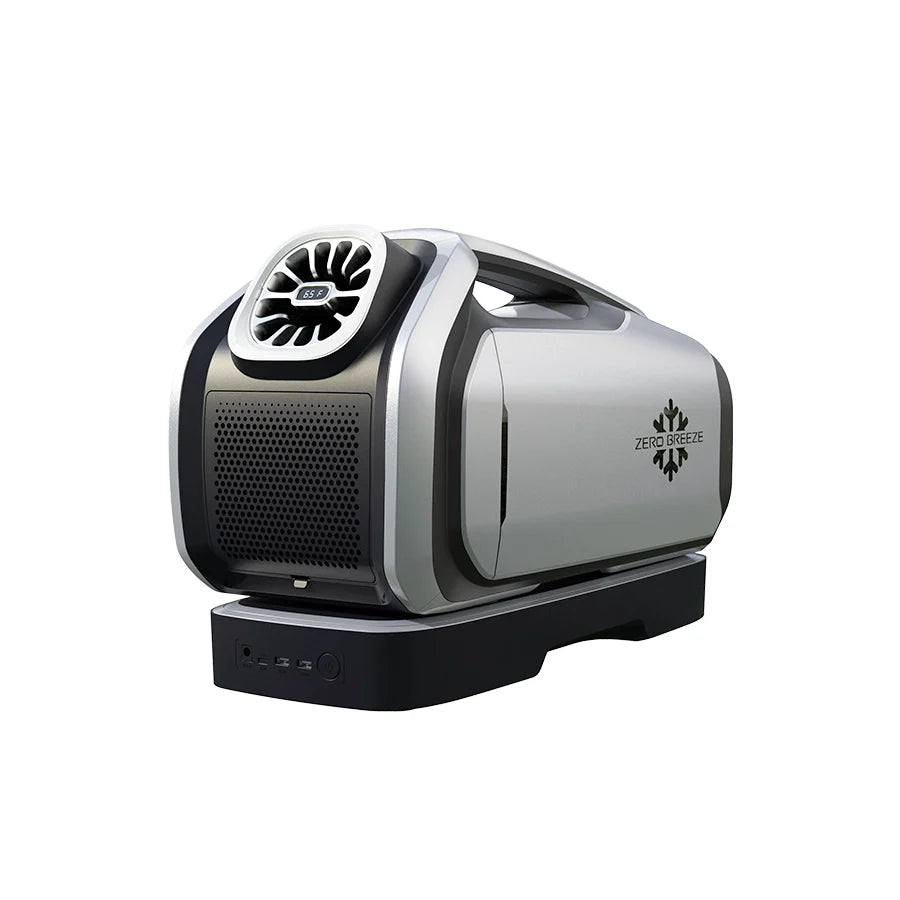
The ZERO BREEZE Mark 3 was designed for mobile environments where traditional cooling solutions may not always be practical.
For semi truck drivers, it provides another option for creating a more comfortable sleeper cab environment while parked. Instead of relying only on the truck’s built-in HVAC system, drivers can use a portable cooling system that works independently with a battery power setup.
Recently, one truck driver tested a Mark 3 setup inside his sleeper cab and documented the installation process. One of his main concerns was creating a solution that was practical for everyday use—not a temporary setup that looked difficult to manage.
To solve this, he created a window-based venting installation that allowed the Mark 3 to remain inside the sleeper area while routing the necessary airflow connections outside. The setup focused on keeping the installation clean, secure, and suitable for repeated use.
This type of real-world testing highlights an important point: successful portable cooling is not only about the AC unit itself, but also about how the complete system—including power and ventilation—is designed around the user’s environment.

Choosing the Right Cooling Approach for Your Sleeper Cab
Every truck setup and driving routine is different. When considering a cooling solution, drivers need to think about how the system fits into their daily life on the road.
Factors such as sleeper cab size, available power sources, expected usage time, installation space, and ventilation options all play a role in creating an effective setup. A solution that works well for one driver may not be the right choice for another, depending on routes, parking conditions, and personal preferences.
Portable cooling is not designed to replace every factory truck HVAC system. Instead, it provides another option for drivers who need additional flexibility while parked.
As trucking continues to evolve, solutions that improve comfort, efficiency, and flexibility will become increasingly important. For drivers looking to explore alternative ways to cool their sleeper cab, the ZERO BREEZE Mark 3 offers a portable approach designed for life on the road.




Leave a comment