




Power Your ZERO BREEZE Mark 3 Off-Grid More Efficiently

Camping season is here, and it's the perfect time to plan your next off-grid trip. Whether you're heading to a national park, tailgating at a football game, or enjoying a weekend getaway in your RV, there's one challenge that always comes up: staying cool without reliable power.
This is where the Mark 3 portable AC comes in. It helps you stay cool while getting more out of every charge, so you can spend less time worrying about power and more time enjoying the outdoors.
Why the Mark 3 Works Better Off-Grid
Unlike traditional portable ACs that rely on a fixed power source, the battery-powered Mark 3 is designed for off-grid cooling. Its detachable batteries can be recharged in multiple ways, including with solar panels, giving you more flexibility to stay powered wherever you go.
That means you can keep your system running without relying on a bulky or noisy generator, and build a more flexible, efficient off-grid setup.
Get More Runtime with the Right Power Setup
To get the most out of your Mark 3, it's not just about how much power you bring, but how you use it. A well-balanced setup can significantly extend your runtime and reduce how often you need to recharge.
Pairing your Mark 3 with multiple batteries gives you the flexibility to stay cool through the night and across multiple days. Instead of worrying about running out of power, you can focus on using your AC when it matters most, like in the evenings or while you sleep.
For even better efficiency, adding solar panels to your setup helps keep your batteries charged during the day. This allows you to recover power while you're not actively cooling, making your system more self-sustaining over longer trips.
With the right combination of batteries and solar, you can stay cool longer, recharge less often, and get significantly more runtime from the same setup.

How Solar Charging Works with Mark 3 Battery
It's important to note that solar panels charge the Mark 3 batteries, not the AC directly. Think of solar as a way to refill your batteries during the day, so your cooling is ready when you need it later.
On bright, sunny days, solar charging can help keep your batteries from draining quickly, allowing you to run the Mark 3 for longer periods without interruption. Even during overcast or partially cloudy conditions, your charged batteries can still provide hours of cooling.
This combination gives you a more efficient way to extend your runtime and stay cool for longer periods off-grid.
Things to Know About Your Solar Setup
- How long does it take to charge a battery?
It depends on the solar panel's power and sunlight conditions. For example, two 100W solar panels under direct sunlight can fully charge a single Mark 3 battery in about 7 hours.
- What if it's cloudy or rainy?
Solar charging will be slower under overcast conditions, but fully charged batteries can still provide hours of comfortable cooling. For longer trips, having an extra battery ensures you stay cool even when sunlight is limited.
- Can I use my existing solar panels?
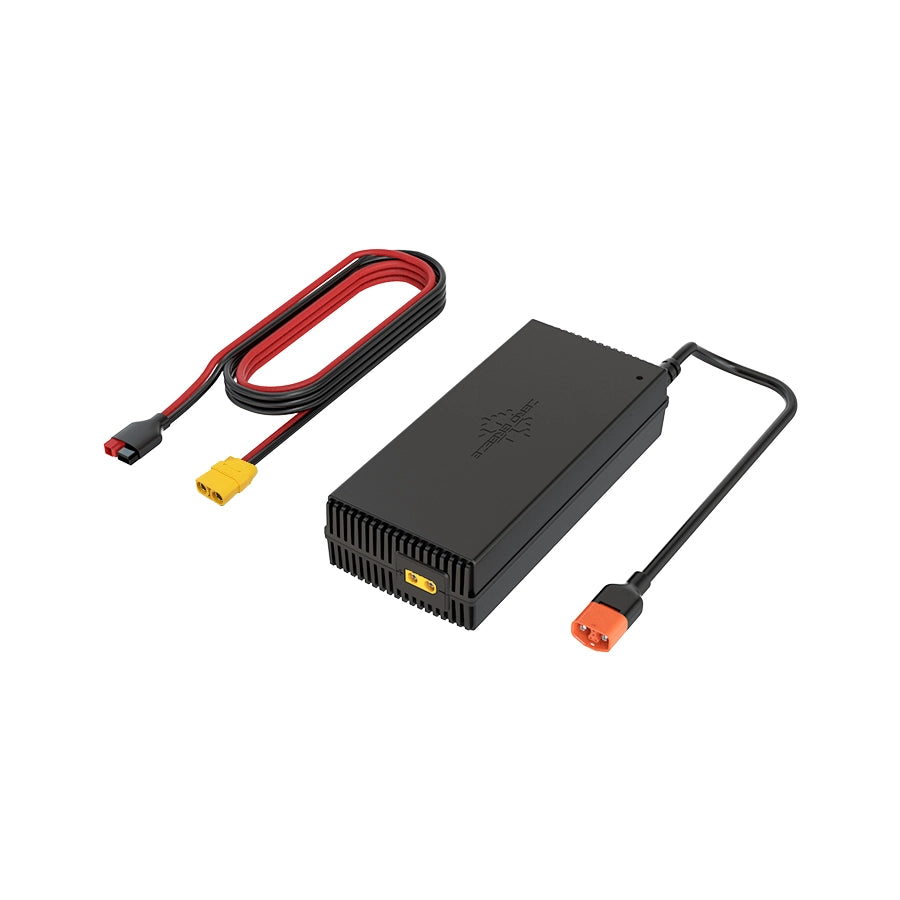
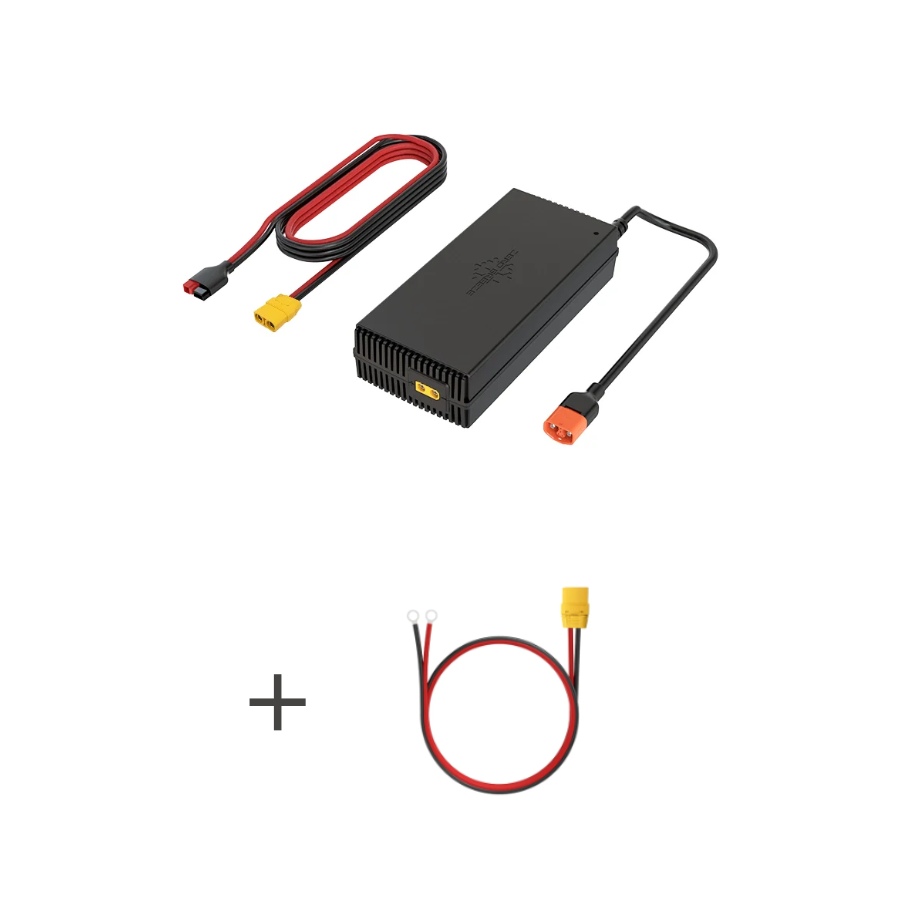
Yes! The Mark 3 battery supports 12V–75V solar input, making it compatible with most panels. It accepts up to 500W of charging power and automatically regulates input for safe operation, even with higher-wattage panels. You'll just need a separate connection cable to hook it up to your batteries.
Upgrade to a More Efficient Setup
From April 16 to 22, upgrade your Mark 3 setup and get more cooling time from the same power. With the right setup, the difference isn't just how much energy you have. It's how far that energy can take you.
Enjoy exclusive savings, free accessories, and free shipping for a limited time.





Leave a comment